• Request Info
  • Visit
  • Apply
  • Give
  • Request Info
  • Visit
  • Apply
  • Give

Search

  • A-Z Index
  • Map

Classics

  • About Us
    • Classics Newsletter
    • Annual Student Awards
  • Academics
    • Undergraduate Program
    • Graduate Programs
    • Current Course Listing
    • Scholarships
    • Study Abroad
    • Latin Placement Exam
  • People
    • Faculty
    • Former Faculty & Retired
    • Related Faculty
    • Staff
  • Archaeological Fieldwork
    • Mitrou
    • Hesperides Archaeological Project, Morocco
  • Events and Programs
    • Undergraduate Conference
    • Archaeological Institute of America East Tennessee Society
  • Contact Us
  • Give to Classics
Home » Archives for Logan Judy » Page 3
Author: Logan Judy

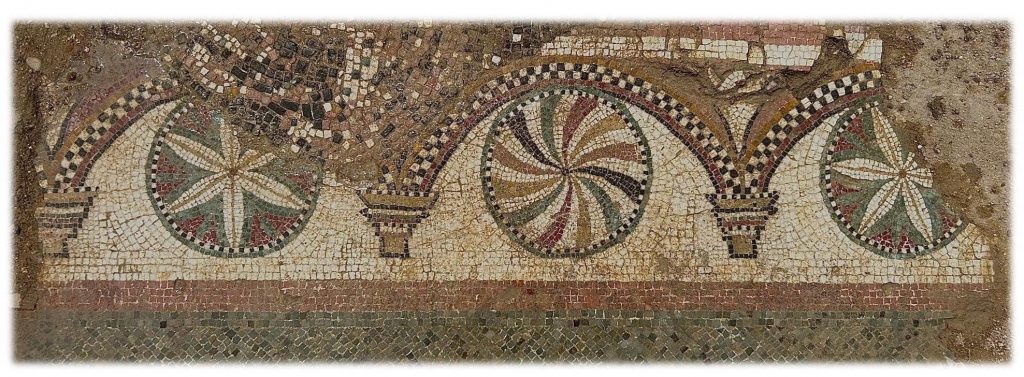
Excavating a Roman Villa at Vacone, Italy
November 30, 2023 by Logan Judy

mosaic

Vakaris Paulauskas

Photo of Vacone excavation

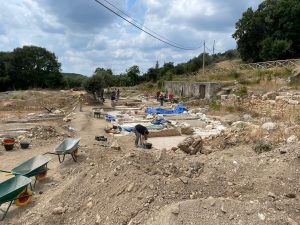
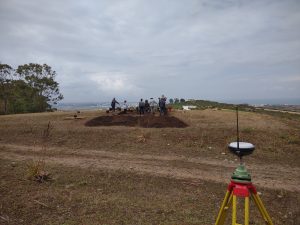
In spring 2023, I was fortunate to take a class with Professor Bloy, when he brought to my attention the archaeological excavation that he is co-directing in Italy. The Vacone project, run by Rutgers University since 2012, is uncovering two superimposed ancient Roman structures: a Republican era building that had been built over by an Imperial era Villa. The site is located ca. 30 km north of Rome. Thanks to my Haines-Morris travel scholarship from the Department of Classics, I was able to participate in this excavation. During the four weeks of excavation, we had three free weekends that allowed us to travel throughout Italy. I went every weekend to the Citta Eterna or, as most know it, the city of Rome. Not only was I able to experience traveling around my favorite city, but every week when I came back I was able to learn more about the “hands on” part of history that had eluded me while studying in class. The excavation was hard, but once the ruins had been uncovered it was very rewarding. 
Filed Under: Newsletter

Special Feature: Stephanie McCarter

November 30, 2023 by Logan Judy

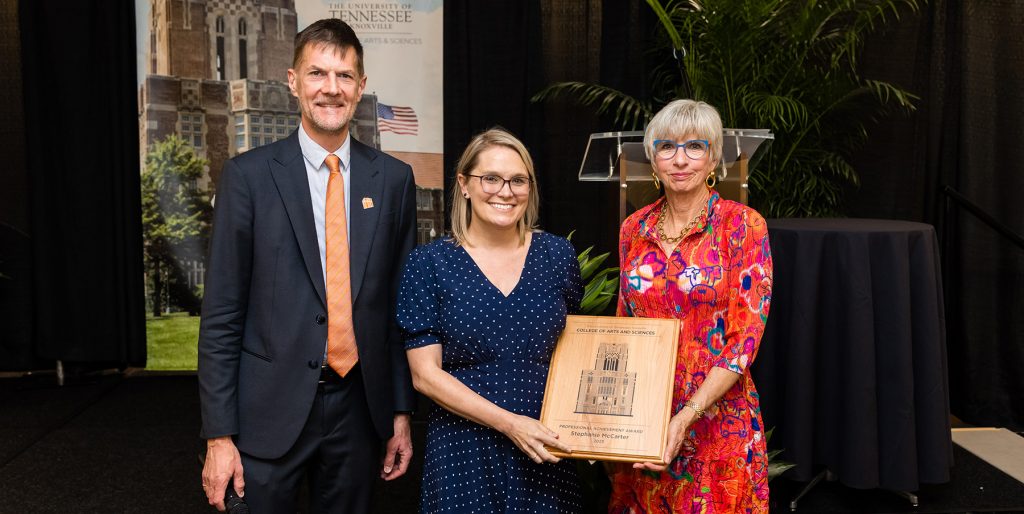
Stephanie McCarter Photo

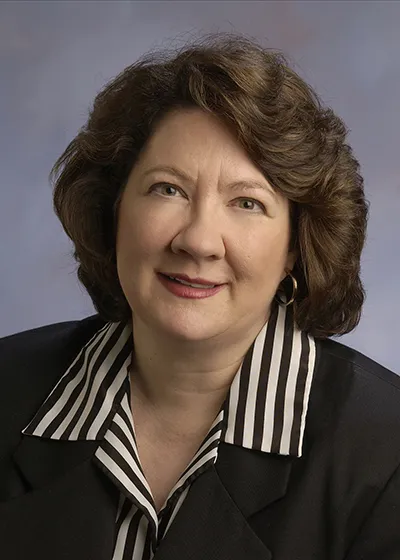
Stephanie McCarter (’00) graduated summa cum laude with undergraduate degrees in classics and English before going on to earn her PhD in classics from the University of Virginia in 2007. She was a first-generation college student and member of Phi Beta Kappa. She started a successful career at the University of the South (Sewanee), where she was promoted to associate professor in 2014 and professor in 2021. 

She received a Professional Achievement Award from the UT College of Arts and Sciences, which recognizes alumni who have achieved a high degree of success in their chosen field, a record of notable accomplishments, and a history of outstanding contributions to their discipline and/or creative pursuits.

McCarter’s greatest professional achievement is as a masterful translator of Latin poetry, for which she has gained world renown. She has produced two hefty volumes of translations, with introductions and notes, of Horace’s Epodes, Odes, and Carmen Saeculare (published by the U. of Oklahoma Press in 2020) and of Ovid’s epic poem the Metamorphoses (published by Penguin Classics in 2022). Another book titled Women in Power: Classical Myths and Stories from the Amazons to Cleopatra is in press, and McCarter is now preparing a translation of the poems of Catullus. 

McCarter is the first female classicist to have translated all of Horace’s poems and the first woman in 60 years to have translated Ovid’s Metamorphoses. Importantly, McCarter is sensitive to the female perspective in Horace’s love poems and Ovid’s stories of divine rapes of female characters. Whereas previous male translators often “romanticized” sexual assault or made light of it, even suggesting female consent, McCarter’s choice of words makes the violence explicit and invites discussion of power and gender relations in Roman times as well as in the present. Thus her unflinching translations demonstrate the continuing relevance of the classics to today’s world.

McCarter’s work has received rave reviews in international journals such as Cambridge’s Classical Review, Spain’s Exemplaria Classica, and Bryn Mawr Classical Reviews.  Her translation of Ovid’s Metamorphoses, one of The New Yorker’s best books of 2022, this year received the Harold Morton Landon Translation Award from the Academy of American Poets. In one glowing review of that work, Richard Tarrant, Pope Professor of Latin at Harvard, notes that “As a vehicle for serious engagement with Ovid’s poem in English, McCarter has no rival.”

Her works have also received major media coverage and she has presented invited seminars around the world. It is no exaggeration to state that Stephanie McCarter has become one of the world’s leading translators of Latin poetry.

“Classics professors nurtured my intellectual development, while also helping build my confidence in ways both big and small,” McCarter said. “My classics professors continue to be a guiding beacon as demonstrated by my presence here tonight made possible because they thought me deserving of this award. I am deeply touched once again by their kindness and readily give them every bit of the credit. I really do owe them and this university everything I have achieved in my career.”

Filed Under: Newsletter

Studying Classics at the National and Kapodistrian University of Athens, Greece

November 30, 2023 by Logan Judy

Cynthia Hazelton and Ethan Peebles in Athens

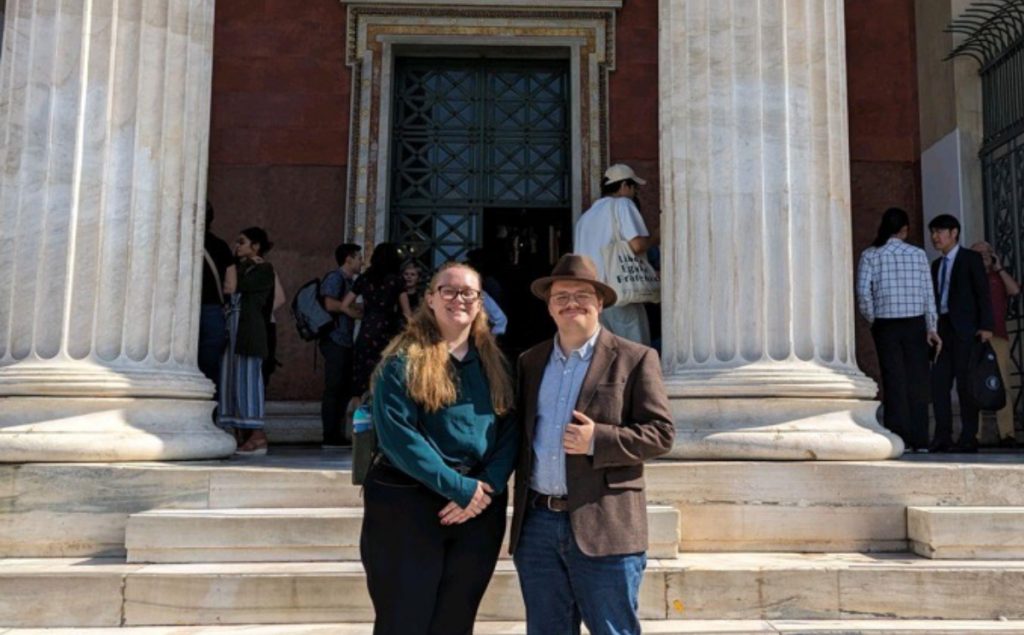
UT Classics Majors Ethan Peebles and Cynthia Hazelton Report

Time seems to work differently in Greece. The material remains of Antiquity and the Middle Ages are juxtaposed with modern architectural and artistic attempts to redefine or reinterpret the much honored past. Thousands of years of prehistory and history can be seen with the naked eye, even from the classroom windows of the unique campus of the University of Athens, a school following in an academic tradition tracing itself back to Socrates and Plato. 

This is an environment tailored for the enthusiastic student: the English-language classics program has approximately 80 students from many different countries dedicating up to four years of their lives to study in the land of the ancient Greeks. Committing to the program for even a semester or a year, as we are doing, is enough to transform one’s understanding of the ancient world, and even the modern world! Classes may be held in a lecture hall or an ancient odeon, in a conference room or the fifth-century BCE remains of a Periclean building project. 

Field trips take you from the National Archaeological Museum to archaeological sites on the island of Crete. Athens itself provides an endless list of activities: museums, lovely Byzantine churches, archaeological sites both known and unknown, markets, restaurants, and lots of souvlaki and loukoumades stands! This study-abroad program and its staff makes finding friends and navigating Greek city life easy and enjoyable. However, the program also requires commitment. It is not a vacation, but an immersion in the philosophical life. Reading, discussing, and—yes—working on Greek grammar—are still required. But as we have learned in just two weeks of classes, the returns—intellectual, social, cosmopolitan—are worth every minute. 

We are so grateful to be able to enjoy these amazing experiences thanks to scholarships from our Classics department: Cynthia received a Dr. Susan Martin Excellence Travel Scholarship, an Albert Rapp Memorial Scholarship, and a Haines-Morris Award; and Ethan an Athena Travel Scholarship as well as the inaugural Robert McDow Scholarship. We are so excited about our invaluable experiences and cannot wait to see what the rest of our time in Athens has in store for us!

Filed Under: Newsletter

Back with a Bounce

November 30, 2023 by Logan Judy

Aleydis Van de Moortel headshot

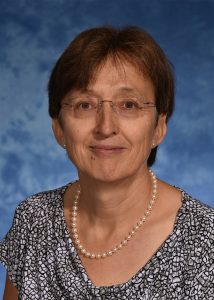
With the pandemic shutdown becoming a dim memory, our department is rebouncing. Last year, we hired a new Greek historian, Sam Blankenship, who is expanding our view to the East, as she is a specialist on Greek-Persian cultural interactions. New Assistant Professors Salvador Bartera and Jessica Westerhold have thrown themselves into recruitment, visiting all Latin high-school programs in the region and reconnecting with teachers. Salvador also runs a Latin club in Fulton High School, which has a very diverse student body. Given the current shortage of Latin teachers in Tennessee, we want to streamline teacher training: together with the UT College of Education, Health, and Human Sciences, we have designed a double major in education and Latin that makes it possible for students to obtain their teaching license in four years instead of five. 

As UT keeps growing, we are designing new courses to serve growing student interest. Stephen Collins-Elliott has created Business and Trade in the Ancient World; Lorenzo Del Monte is reviving Susan Martin’s Roman Law course; and Tristan Barnes plans to offer Ancient Astronomy next year. 

We are also happy to announce that, thanks to a new agreement with the University of Athens, Greece, our students can study there for a semester or a year and receive UT credit. Two of our majors agreed to be the proverbial Caviae porcelli (a.k.a., guinea pigs), and report here about their adventures.

We held most of our usual departmental activities last year, but a temporary faculty shortage after the recent spate of retirements forced us to take a break from organizing our classics undergraduate conference. The conference will be back in February 2024. 

We hope you enjoy this newsletter, and do stay in touch!

Valē/Χαῖρε!

Filed Under: Newsletter

Classics Funds – Fall 2023

November 30, 2023 by Logan Judy

Generous friends and benefactors have created a variety of funds to help our students and faculty in their work. With the establishment of our exciting new study-abroad program at the University of Athens, we expect that more students will need funds to take advantage of this opportunity to broaden their horizons, both intellectually and culturally. In addition, we want to fund more Latin teachers in training through the Craig Fund in order to alleviate the current shortage of Latin teachers in Tennessee high schools. We hope that you will consider supporting us by donating to one of our scholarship funds (Athena Travel Fund, Classics Diversity Fund, Christopher Craig and Ann Robinson-Craig Fund, Susan Martin Fund, Mediterranean Archaeology Fellowship, Moser Fund, Rapp Fund, Rutledge Memorial Fund), faculty support funds (Classics Enrichment, Gesell Fund, Henbest Fund) or archaeological excavations (Hesperides, Kavousi, Mitrou).

Information on how to contribute to these and other classics funds can be found on the envelope enclosed in this newsletter. Information and online giving portals are also available on our classics website. Maximas gratias vobis agimus!

Filed Under: Newsletter

2023 Season, Gardens of the Hesperides: The Rural Archaeology of the Loukkos Valley

November 30, 2023 by Logan Judy

Hesperides excavation

Stephen Collins-Elliott Reports

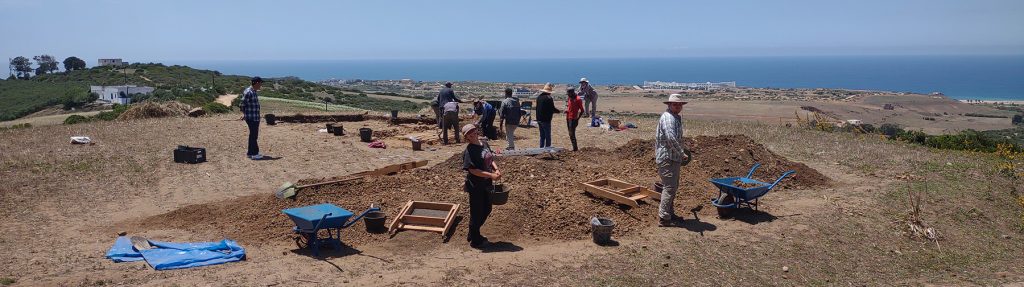
This June marked the last summer season of fieldwork of the joint Moroccan-American archaeological project, Gardens of the Hesperides: The Rural Archaeology of the Loukkos Valley, a collaboration between the University of Tennessee, Knoxville, and the Institut National des Sciences de l’Archéologie et du Patriomoine. Co-directed by Aomar Akerraz (INSAP) and Stephen Collins-Elliott (UT), this project had the aim of surveying and excavating the countryside around Lixus, the earliest city in northwestern Africa, to determine the impact of Roman annexation on the local economy.

From May 22 to June 23, 2023, UT Department of Classics students Tony Caldwell, Landon Bryan, and Mike McCann worked as part of an international team of Moroccan, American, and British archaeologists excavating two small rural sites, HESP51/LA21, located to the east of the sanctuary of Sidi Khayri, and HESP23/LA43, Koudiat Hmamou, located to the south of Sidi Kharyi, on the north side of the Loukkos river. Project staff this summer included Layla Es-Sadra (Mohamed V University, Rabat), Katelin McCullough (Hollins University), Katie Tardio (Bucknell University), Jonathan Lester (Cambridge Archaeology), Caroline Pope (Vanderbilt University), Chris Jazwa, and Kaitlyn Stiles (University of Nevada at Reno). Other undergraduate and graduate students from the Universities of Michigan, Minnesota, and Nevada at Reno also participated.

Refilling the excavation trenches of the Hesperides project

The project accomplished its goals in uncovering the phases of occupation at these two rural sites, which emerged in the late first century BCE, showing evidence of rural intensification prior to the arrival of the Roman military and administration, which aligned with the results of the two previous seasons of fieldwork. The team looks forward to finishing the publication of Project Hesperides. Stephen Collins-Elliott plans to excavate in the Lixus area next summer, in a prospective project focusing both on Lixus itself and on the surrounding countryside, comparing the development of the city and countryside in the pre-Roman period.

Project Hesperides expresses its thanks for the support of the Institut National des Sciences de l’Archéologie et du Patriomoine, the Ministry of Culture of the Kingdom of Morocco, the UT Department of Classics, UT College of Arts & Sciences, UT Office of Research, Innovation & Economic Development, the Loeb Classical Library Foundation, the National Endowment for the Humanities and the Archaeological Institute of America, the Marco Institute for Medieval and Renaissance Studies, and the University of Nevada at Reno.

Student Experiences

Tony Caldwell:

I had the honor this summer to participate in archaeological fieldwork with Professor Collins-Elliott and his colleagues on the Hesperides Project. Each moment spent in the field was valuable to me as a student in archaeology. I was introduced to GIS systems, archaeological methodology, and local Roman terracotta morphology, and met professional archaeologists working in their various specialized fields. While in Morocco, I was introduced to new languages and cultures. We had the opportunity to see multiple archaeological sites, such as Lixus and Volubilis, and witness their respective finds in the local museums. I was able to make connections with other students on the trip as well as professionals contributing to the Hesperides Project. I now have lifelong friends who will one day be colleagues. I also have gained experience in the field as well as a newfound respect for the process of fieldwork altogether. This experience was beyond valuable to me as a student. One of the most important revelations during my participation this summer revolved around my enjoyment in the field. Each aspect of the work was enjoyable, from cleaning pot sherds, to discovering something ancient in the compacted dirt. I would highly recommend any student interested in archaeology to pursue field work on this project. I’d like to give my great thanks to the scholarship committee of UT’s Department of Classics and the Haines-Morris travel scholarship, as well as to those who participated in the Gardens of the Hesperides: The Rural Archaeology of the Loukkos Valley project.

Landon Bryan:

Adventure. Heat. Neck tans. These are all things that could describe the lives of an archaeologist. When I joined the Gardens of the Hesperides project, I did not know what to expect. This was my first fieldwork experience and my first time being out of the country, so it was a new experience for me all around. I learned many valuable things over the course of my journey in Morocco: excavation principles, laboratory etiquette, GIS systems, and that Moroccan Sprite is leagues above any found here in America. I also had the great opportunity of making lifelong connections with other students and professionals in the field. I would like to thank Dr. Stephen Collins-Elliott for the opportunity and the Department of Classics for the Haines-Morris scholarship, which made it possible for me to take part in this memorable trip.

Mike McCann:

Digging in Morocco was an experience unparalleled to anything in my life previously. I had the privilege of going on an expedition with people who have the same niche interests and curiosities, and the opportunity to discover and discuss ideas with them. Digging in North Africa was a nearly transcendent experience, with beautiful beaches and hills in a full 360 degrees around you and in the distance. Unearthing the sites of ancient civilizations for the first time since they had been covered is a feeling that cannot be replicated or simulated in an academic or digital setting. We alone had the opportunity to learn more about these sites and possibly impact the world of archaeology itself. On our off days, we were very generously given trips to cities across the country, from Tangier near the strait of Gibraltar to the capital, Rabat. In these cities, we toured other attractions, museums, natural formations, ancient sites, and the modern shops and restaurants that sprawl around them. College is the prime time of your life to have this experience and it may even help you to make archaeology a life-long profession.

Filed Under: Newsletter

2023 Volunteer Spirit Award for Ann Robinson-Craig

November 30, 2023 by Logan Judy

Our business manager Ann Robinson-Craig has received the 2023 Volunteer Spirit Award at the 2023 Chancellor’s Honors Banquet. This is a really big deal: it is the highest distinction given to a staff member of the university. Ann more than deserved this for her 30+ years of devoted and superb service as the budget director of the College of Arts and Sciences. Bravo, Ann! We feel so blessed to have you on our team.


Filed Under: Newsletter

In Memoriam: Laurie Height Keenan

November 30, 2023 by Logan Judy

Laurie Keenan

We are sad to report the passing of Laurie Height Keenan, who was a lecturer in our department in the 1990s and went on to be an editor at Bolchazy-Carducci, a premier publisher of Latin textbooks and translations. Chris Craig, Susan Martin, Betsy Sutherland, and David Tandy remember her with great fondness as a wonderful, joyful person and a beloved teacher. Our condolences to her husband Jim, their children, and grandchildren.


Filed Under: Newsletter

Latin Day 2022

November 30, 2023 by Logan Judy

Latin Day advertisement image

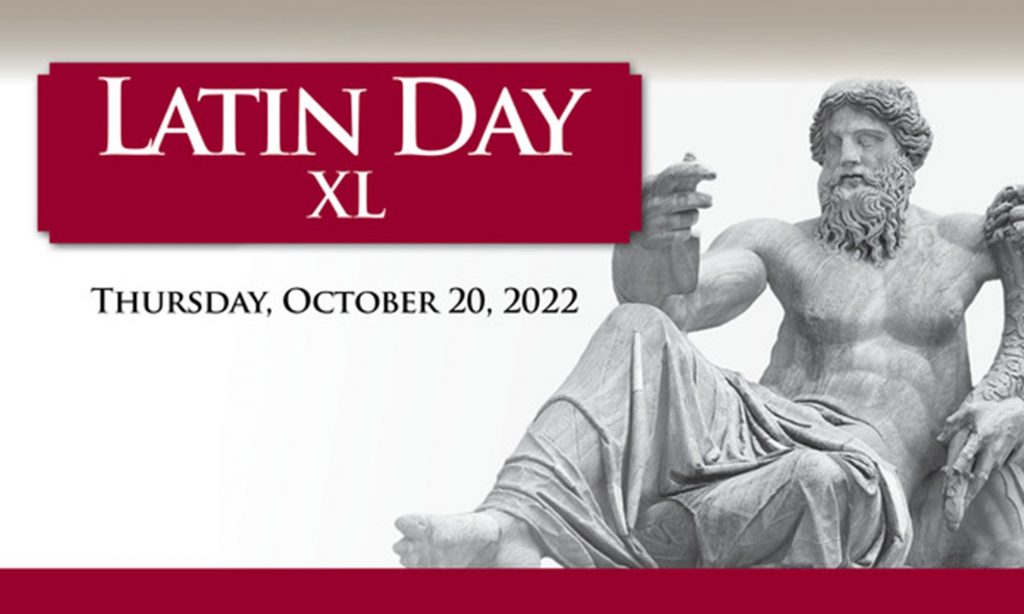
The 40th Annual Latin Day took place on October 20, 2022, in the UT Student Union. Young scholars of ancient Rome filled the conference rooms to hear faculty lecture on many riveting topics. This year, we hosted 278 young scholars, their teachers, and chaperones who attended 10 different talks and enjoyed the famous Roman lunch. They came from Knoxville, Kingsport, Murfreesboro, and Nashville. 

Our esteemed speakers included faculty from the UT Departments of Classics and History, as well as from the UT College of Art + Architecture, reflecting the diversity of perspectives on ancient Rome offered at UT. 

Megan Henderson and her expert team at UT Conferences run this event smoothly every year, while the energy and inquisitiveness of our young scholars make it extraordinary. 

The talks for our 40th Annual Latin Day included: 

  • Justin Arft (Classics), “Homer’s Iliad and Odyssey in Rome”
  • Tristan Barnes (Classics) “Practical Astronomy in Ancient Greece”
  • Salvador Bartera (Classics) “Nero: Monster or Victim?”
  • Dylan Bloy (Classics), “Death in the Afternoon”
  • Lorenzo Del Monte (Classics) “Rome in the Movies”
  • Gregor Kalas (Architecture), “What Happened to Rome’s Temples after the ‘End’ of Traditional Sacrifice?”
  • Theodora Kopestonsky (Classics), “Cave Nympham: Nymphs and Water Cult in the Roman World”
  • Jacob Latham (History), “‘Render unto Caesar’: Imperial Messaging and Roman History via Coins”
  • Aleydis Van de Moortel (Classics), “Did Atlantis Exist?”
  • Jessica Westerhold (Classics), “Happy Romans, Sad Romans: Emotions in Ancient Rome”

Filed Under: Newsletter

  • « Previous Page
  • 1
  • 2
  • 3

Department of Classics

College of Arts and Sciences

1101 McClung Tower
Knoxville TN 37996-0413

Email: classics@utk.edu

Phone: 865-974-5383
Fax: 865-974-7173

The University of Tennessee, Knoxville
Knoxville, Tennessee 37996
865-974-1000

The flagship campus of the University of Tennessee System and partner in the Tennessee Transfer Pathway.

ADA Privacy Safety Title IX